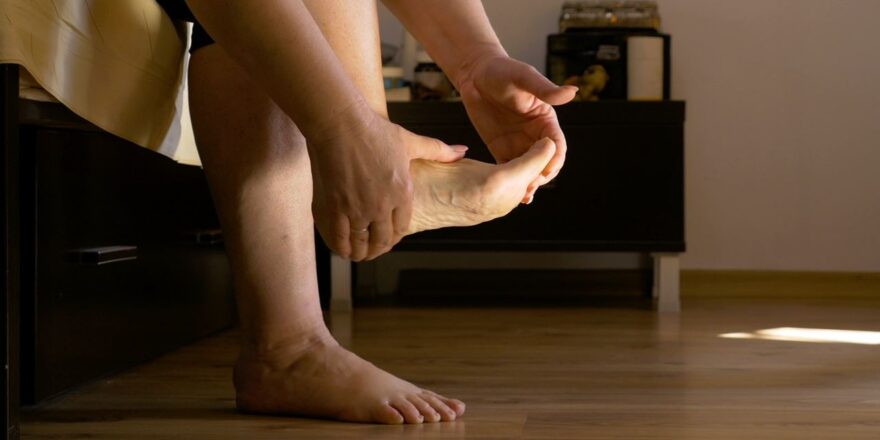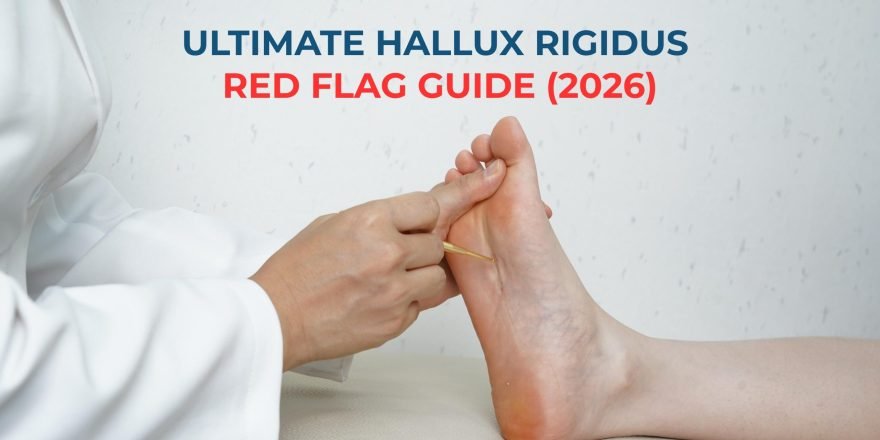
If you are a runner or hiker dealing with the sharp, “bone-on-bone” pain of Hallux Rigidus, you’ve likely been told to limit your impact. However, the world of cycling offers a unique loophole. Because the pedaling motion requires almost zero upward bending (dorsiflexion) of the big toe. It is the premier cardiovascular activity for maintaining fitness while protecting your MTP joint.
But there is a catch: if your shoes are too flexible, the pedal act itself will force your toe to bend. To cycle safely, you need a mechanical splint in the form of a high-performance cycling shoe.
In this definitive 2026 guide, we analyze the Top 10 best cycling shoes for Hallux Rigidus. We explain the biomechanics of pain-free pedaling, and reveal the “cleat position hack” that can reduce joint stress by up to 50%.
Why Cycling Works Well for Hallux Rigidus
To understand why the right cycling shoes are essential, we must look at the difference between walking and pedaling:
The Dorsiflexion Divide
When you walk or run, your foot performs a “toe-off” phase. During this phase, your big toe must bend upward approximately 40–65°. In a foot with Hallux Rigidus, bone spurs on top of the joint collide during this motion, causing inflammation and pain.
Cycling: The Kinetic Bypass
In cycling, your foot is fixed to a pedal. If your shoe has a maximum stiffness index, the sole acts as a rigid bridge. Your power is transferred from your leg, through the shoe, and into the pedal without the MTP joint ever needing to bend.
In short: Stiff shoes turn your foot into a single, rigid lever. This bypasses the arthritic joint entirely. It allows you to produce 500+ watts of power without a single millimetre of painful toe movement.
Best Cycling Shoes for Hallux Rigidus (2026): 10 Top Stiff-Sole Picks for Road, MTB & Spin
| # | Shoe | Preview | Rating | Key Benefit | Deal |
|---|---|---|---|---|---|
| 1 | 🏆 Lake CX242 Top Pick | 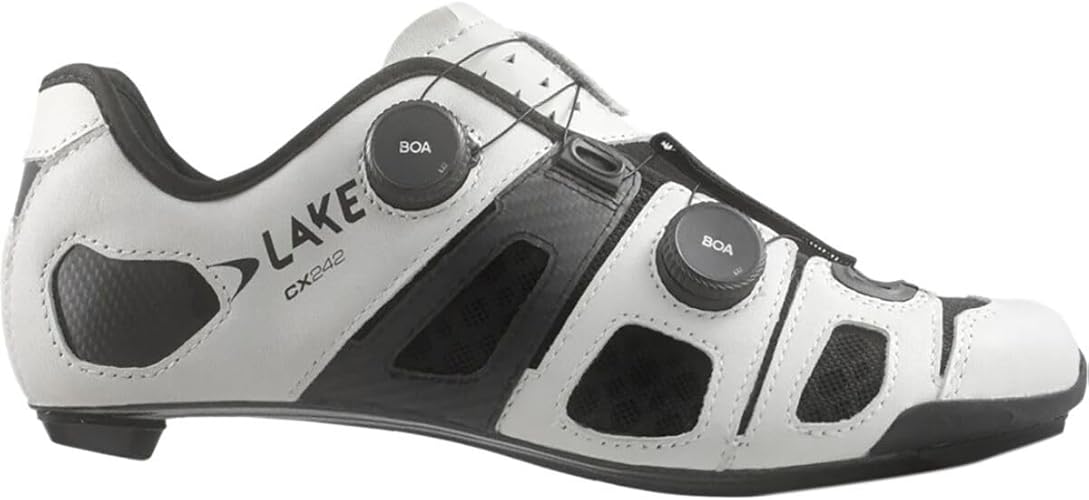 | 9.5 | Rigid carbon + wide comfort | Check Price |
| 2 | Shimano RC703 | 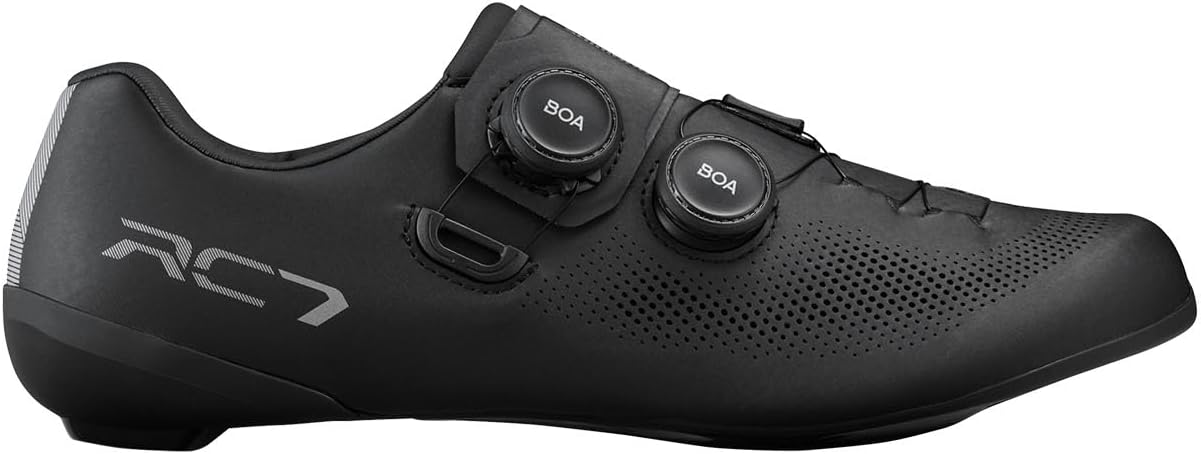 | 9.0 | Extended cleat adjust | Check Price |
| 3 | Bont Vaypor S | 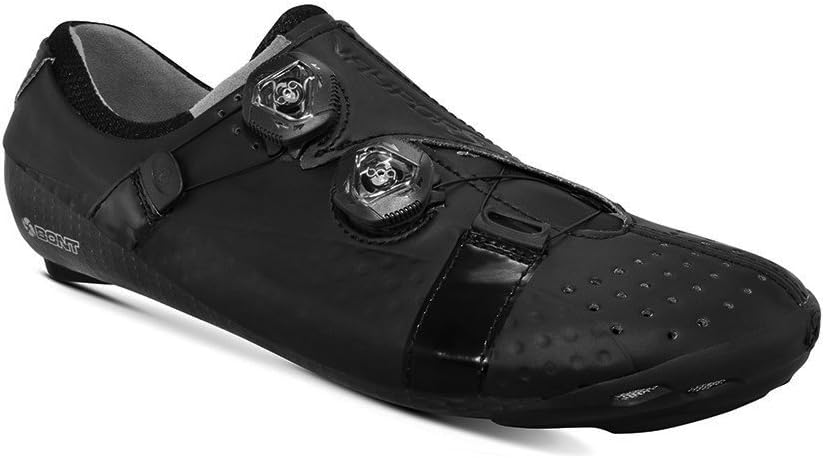 | 9.4 | Custom heat-mold fit | Check Price |
| 4 | S-Works Torch | 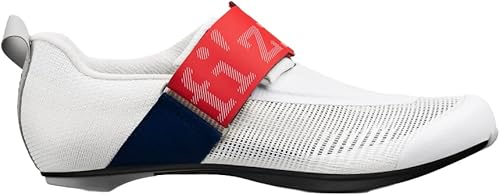 | 10.0 | Maximum stiffness | Check Price |
| 5 | Shimano RX801 | 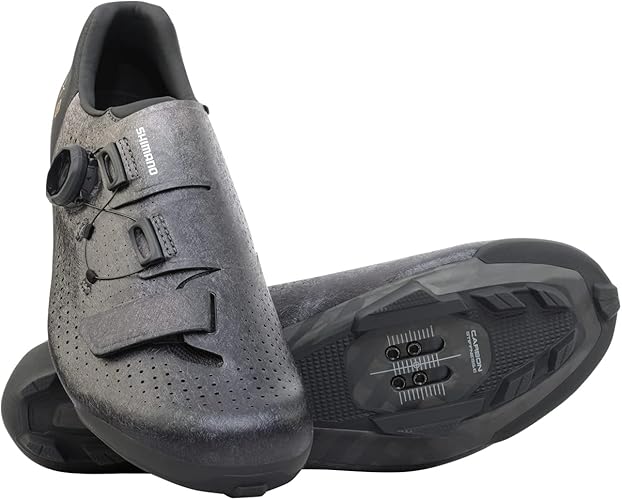 | 8.8 | Gravel-ready stiffness | Check Price |
| 6 | Tallac Clip | 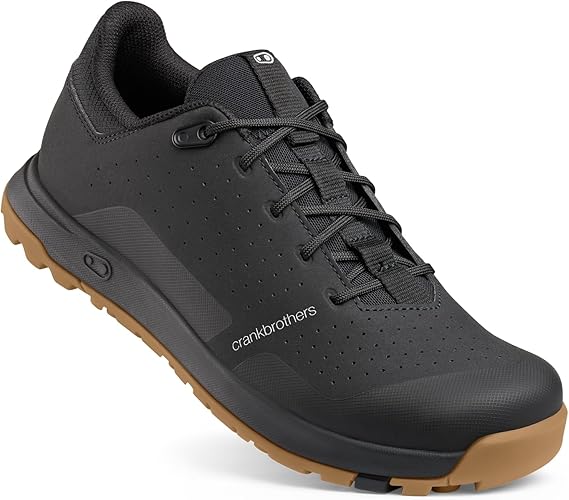 | 8.7 | Impact toe protection | Check Price |
| 7 | Lake MX242 | 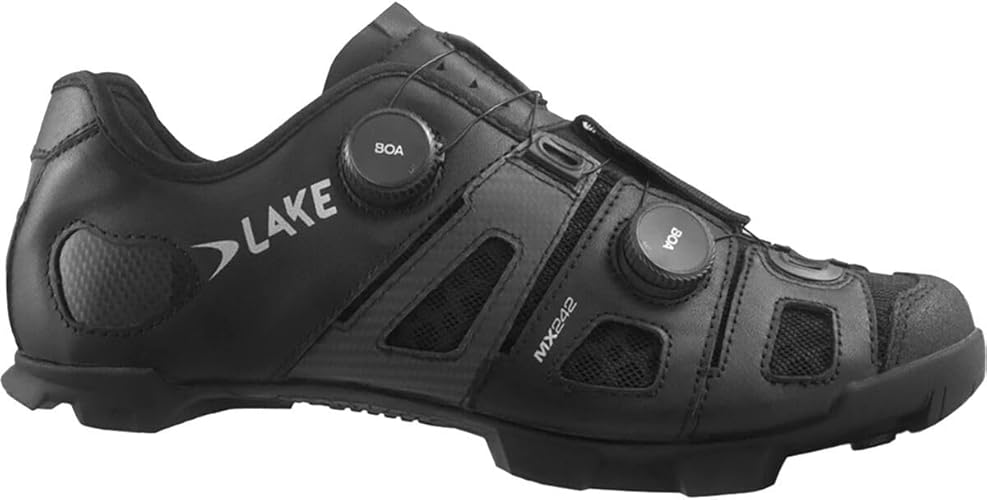 | 9.3 | MTB carbon power | Check Price |
| 8 | Specialized Torch 1.0 | 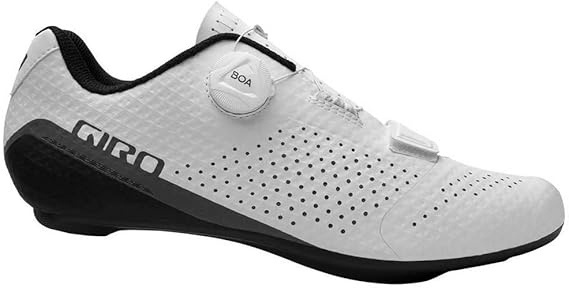 | 7.5 | Budget-friendly stiffness | Check Price |
| 9 | Giro Rumble VR | 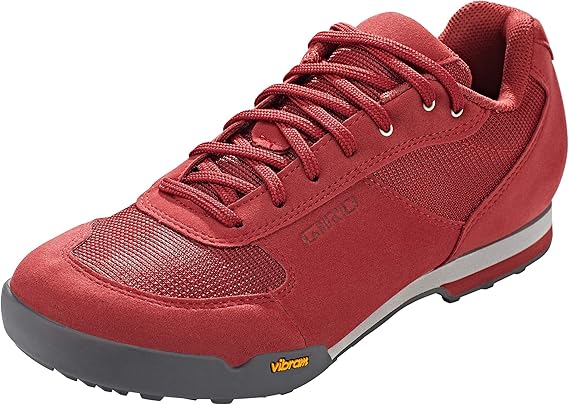 | 7.2 | Walkable comfort | Check Price |
| 10 | Van Rysel RCR | 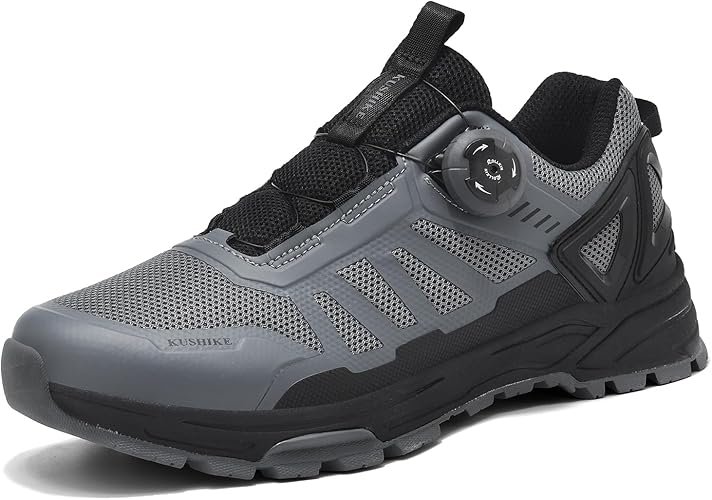 | 9.2 | Best value carbon | Check Price |
1. Lake CX242 Wide – The Gold Standard Cycling Shoe for Hallux Rigidus
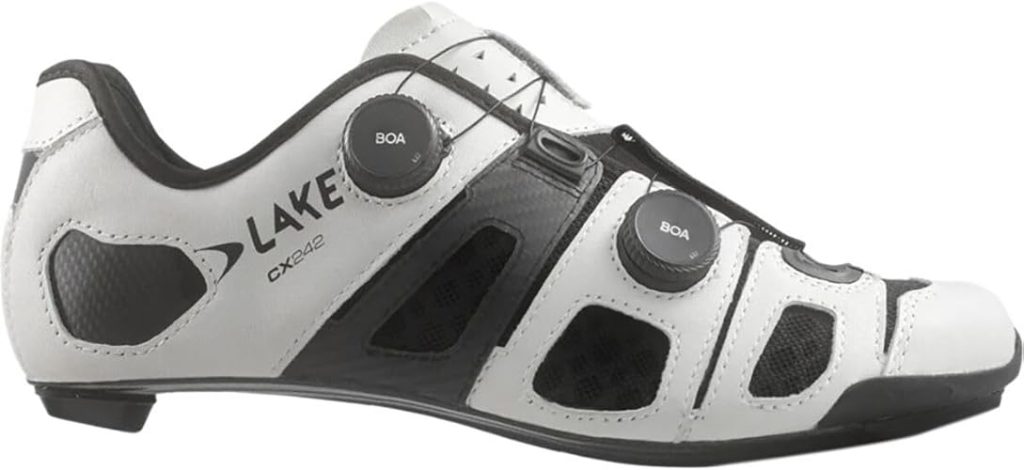
Sports podiatrists and bike fitters widely regard the Lake CX242 as the “gold standard” for cycling with Hallux Rigidus. Lake CX242 is one of the few brands that designs shoes around the complex anatomy of an injured or arthritic foot. The 2026 CX242 is the culmination of years of research into “high-volume” lasts. Specifically catering to those who can no longer fit into a standard.
Why it works for Hallux Rigidus:
The primary reason the CX242 is a miracle for big toe arthritis is its Segmented Upper Construction. Most cycling shoes use a single piece of synthetic leather or knit for the upper. When you tighten a traditional shoe, that material pulls taut across the entire foot. If you have a dorsal bone spur (the bony “bump” common in Stage 2 and 3 Hallux Rigidus), a standard shoe will press directly into that spur with every pedal stroke.
Sole Stiffness and Joint Immobilization
At the heart of the CX242 is a 100% Competition Carbon Fiber Sole (Stiffness Index: 12). For Hallux Rigidus, “flex” is the ultimate enemy. If your shoe bends even 2–3 millimeters at the forefoot, your big toe is forced to dorsiflex under the pressure of the pedal. Over a 3-hour ride (roughly 15,000 pedal strokes), that micro-movement acts like sandpaper on your joint cartilage. The Lake carbon sole acts as a completely rigid, unyielding plank. It transfers 100% of your power through the shoe and into the pedal, effectively “freezing” the MTP joint in a neutral, pain-free position.
The Fit and Closure
The shoe features Dual BOA® Li2 dials, allowing for micro-adjustments in both directions. For Hallux Rigidus patients, this is critical because feet often swell during a ride. You can loosen the forefoot dial to accommodate swelling while keeping the heel dial tight for a secure, “no-slip” fit.
Expert Verdict
If your arthritis has progressed to the point where “regular” shoes are a gamble, the Lake CX242 is the safest investment you can make for your long-term mobility.
2. Shimano RC703 Wide – Best Value Road Shoe for Big Toe Arthritis
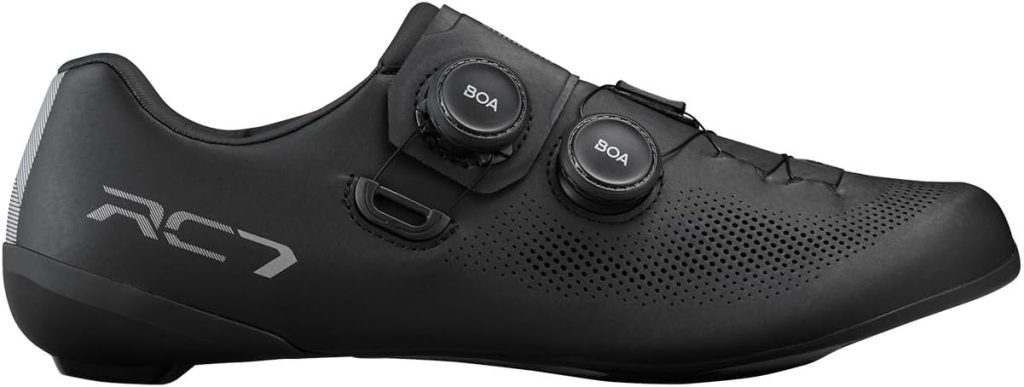
The Shimano RC703 Wide is the 2026 update to one of the most popular cycling shoes of all time. Shimano has a reputation for “conservative” engineering, but for Hallux Rigidus, their “Wide” last is a game-changer. It offers a much higher volume in the toe box than its European competitors. Furthermore, it also provides the “breathing room” an arthritic joint needs to avoid compression pain.
Why it works for Hallux Rigidus
The secret weapon of the RC703 for Hallux Rigidus is its Extended Cleat Adjustment Range. Moving the cleat rearward is the single most effective way to offload the big toe. Shimano’s 2026 chassis features an extra 11mm of total fore-aft adjustment. This allows you to position the pedal axle almost entirely behind the first MTP joint. By shifting the “pivot point” of your power stroke toward the midfoot.
Construction and Materials
The shoe features a “Surround Wrapping” upper. Instead of a traditional tongue, the upper wraps over itself, creating a seamless connection that eliminates “hot spots” on the medial side of the foot. For Hallux Rigidus patients, the medial (inner) side of the big toe is often hypersensitive due to nerve irritation or bursitis. The RC703’s seamless construction ensures there are no jagged edges or thick stitches to irritate the skin over a bone spur.
Sole Stiffness and Performance
The Carbon-Reinforced Midsole provides a “total lockout” experience for the majority of riders. While pro-tour racers might want a 12 or 15, an SI of 10 is more than enough to prevent any detectable MTP joint dorsiflexion for a club rider. The shoe is exceptionally stable, which prevents the “foot roll” (pronation) that often pinches the big toe joint during the high-torque “down-stroke” of a climb.
Expert Verdict
This is the best “all-rounder.” It provides 90% of the performance of a $450 shoe but with a “Wide” fit that is specifically tailored to the high-volume needs of an arthritic foot.
3. Bont Vaypor S (2026) – Custom Heat-Moldable Relief for Dorsal Bone Spurs
If you have tried “Wide” shoes and they still cause pain, the Bont Vaypor S is your final answer. Bont does not follow the traditional “soft upper” design of most cycling brands. Instead, they utilize a “functional” design that prioritizes foot stability and mechanical efficiency above all else.
Why it works for Hallux Rigidus:
The Vaypor S is built on a Carbon Monocoque Chassis. While most shoes have a flat sole plate, Bont’s carbon sole is shaped like a “tub” that wraps up and around the sides of your foot. This creates a “structural cradle” for your MTP joint. For Hallux Rigidus, this is vital because it prevents the big toe from “splaying” or twisting laterally inside the shoe under high load. Keeping the foot perfectly in line, it eliminates the shearing forces that cause joint inflammation.
The “Oven-Bake” Advantage:
The entire carbon chassis is fully heat-moldable. This is the single most important feature for Hallux Rigidus patients with unique bone spurs. You can put these shoes in your home oven at 70°C (160°F) for 20 minutes. Once the carbon is soft, you put the shoe on and use a blunt object (like the back of a spoon) to “punch out” the carbon from the inside. This allows you to create a custom-fitted “bulge” in the shoe exactly where your bone spur is located. Additionally, it also provides zero-pressure comfort that no other mass-market shoe can match.
Stack Height and Biomechanics:
The Vaypor S has an industry-leading 3.6mm stack height. Stack height is the distance between your foot and the pedal. A lower stack height means your foot is more stable and has a lower “center of gravity” on the pedal. For a Hallux Rigidus patient, this stability reduces the “micro-wobble” that can cause secondary inflammation in the joint capsule during high-cadence efforts.
Expert Verdict
If your foot has significant deformities or large dorsal osteophytes that rub against every other shoe, the heat-moldable Bont Vaypor S is the ultimate custom-fit solution.
4. Fizik Transiro Hydra Aeroweave – Luxury Performance for Stiff Big Toe Joints
The Specialized S-Works Torch Wide is a masterpiece of biomechanical engineering. It was designed using data from over 100,000 digital foot scans. The best thing is that it specifically addresses the alignment issues that plague people with big toe arthritis and forefoot pain.
Why it works for Hallux Rigidus
The “secret sauce” of the S-Works Torch is the 1.5mm Built-in Varus Wedge. Most people’s feet naturally want to “roll inward” (pronate) when they push down on a pedal. This pronation puts a massive amount of “twisting torque” on the first MTP joint. Specialized builds a 1.5mm outward tilt into the sole of the shoe, which stabilizes the arch in a perfectly straight line.
The “Wide” Evolution
Specialized’s 2026 “Wide” version is 4mm wider at the ball of the foot than the standard model. Unlike other brands that add more fabric to the top, Specialized actually uses a wider carbon base plate. This ensures your entire forefoot is supported by the rigid carbon, preventing the outer edges of your foot from “hanging over” the side.
Stiffness and Cleat Setup
With a Fact Powerline™ Carbon Sole (Stiffness Index: 15), this is the stiffest shoe on the market. It is functionally impossible to bend this sole by hand or by pedaling. Additionally, the internal titanium cleat nuts can be flipped to provide an extra 5mm of rearward travel.
Expert Verdict
This is a “no-compromise” racing shoe. It is ultra-light and ultra-stiff, but it uses medical-grade biomechanics to ensure your arthritis doesn’t slow you down.
Part 2: MTB, Gravel & Adventure (2-Bolt Systems)
5. Shimano RX801 Wide – Best Gravel Racing Shoe for Forefoot Pain Management
Gravel riding has exploded in popularity as a safer, lower-traffic alternative to road cycling, but for those with Hallux Rigidus, it presents a unique challenge. You need the “total lockout” stiffness of a road shoe to protect your big toe. But you also need the tread and durability of a mountain bike shoe for the occasional “hike-a-bike” section.
The Shimano RX801 Wide is the industry’s premier answer to this hybrid demand, blending high-speed efficiency with rugged foot protection.
Why it works for Hallux Rigidus
The core of the RX801 is its High-Stiffness Carbon Composite Sole (Stiffness Index: 10). Most off-road or “touring” shoes are designed with a “flex zone” in the toe to make walking easier.
For a Hallux Rigidus patient, that flex is a disaster; it means the shoe bends exactly where your joint is most damaged. Shimano’s RX801 eliminates this risk by using a race-grade carbon plate that runs the full length of the shoe.
Whether you are grinding up a steep 15% gravel incline or sprinting on a flat forest road, the sole remains a rigid, unyielding beam.
Cleat Stability and Alignment
Because gravel riding often involves constant vibrations from uneven surfaces, joint stability is paramount to prevent “micro-trauma.” The RX801 features a widened cleat contact area.
By increasing the surface area where the pedal meets the shoe, Shimano has reduced the “lateral rock” that can twist an arthritic big toe. Furthermore, the 2026 “Wide” last provides an extra 5–6mm of girth around the metatarsal heads
The Wraparound Upper
The upper is constructed from a single piece of synthetic leather that wraps around the foot. This “Surround” technology eliminates the traditional tongue, which often has seams or thick edges that press down on a dorsal bone spur.
Expert Verdict
For Hallux Rigidus sufferers, this seamless interface provides a “low-pressure” environment that prevents skin irritation, bursitis, and “hot spots”.
For the mountain biker navigating technical terrain, “sole stiffness” is only half the battle; impact protection is the other half. The Ride Concepts Tallac Clip is the most “armored” shoe on this list. It is specifically designed to shield a sensitive, arthritic MTP joint from the harsh, unpredictable environment of the trail.
Why it works for Hallux Rigidus
The Tallac Clip features an internal RC PowerDrive Nylon Shank. While carbon is the gold standard for road speed, this reinforced nylon shank is designed to provide “targeted stiffness.” It provides a completely rigid platform under the pedal but allows for just enough vibration damping to prevent “trail buzz” from irritating an inflamed joint capsule. It essentially acts as a protective “spine” for your foot, preventing the shoe from “folding” over the pedal axle during heavy landings, drop-ins, or steep technical climbs where you are putting maximum force through the forefoot.
The “Armor” Factor
Hallux Rigidus patients often have a highly sensitive joint. A single rock strike or an accidental “stubbed toe” on a root can cause weeks of swelling. The Tallac Clip addresses this with a Heavy-Duty TPU Toe Cap. This isn’t just a thin layer of rubber; it is a reinforced, molded shield that protects the big toe from external impacts. If you clip a rock while descending at high speeds, the shoe absorbs the kinetic energy, keeping your arthritic joint safe from sudden, painful trauma.
Cleat Position Adjustability
Ride Concepts has included an Extended Cleat Runway (42mm). This is one of the longest adjustment tracks in the mountain bike world. It allows you to execute a “Mid-Foot Cleat Position” perfectly. By sliding the cleats all the way back, you move the pivot point of the pedal stroke away from the big toe and toward the stable mid-foot. This is widely considered the most effective way to reduce MTP joint load while mountain biking.
The Lake MX242 is the mountain bike version of our “Best Overall” road pick, and it carries over every single Hallux Rigidus-friendly feature into the dirt. If you are a competitive cross-country racer or an endurance bikepacker who refuses to let big toe arthritis end your cycling career, this is arguably the most specialized piece of footwear you can buy in 2026.
Why it works for Hallux Rigidus
Like its road sibling, the MX242 utilizes the Segmented Upper Design. In mountain biking, your foot is constantly reacting to changes in balance, causing it to shift inside the shoe more than it does on the road. The independent Clarino panels of the MX242 allow the shoe to move with your foot’s micro-movements and swelling without ever creating a focal pressure point on a bone spur. It provides a “custom-contour” fit that accommodates the common swelling and deformity associated with advanced-stage Hallux Rigidus.
Stiffness and Walkability
The MX Competition 100% Carbon Fiber Sole is legendary for its rigidity. In the mountain bike world, finding a shoe that is truly “stiff” but still has a wearable rubber outsole is rare. Lake has achieved this by mounting a real rubber tread onto a pro-level carbon plate. This ensures that even when you are pushing 1,000+ watts to clear a steep technical root section, your big toe is completely protected from bending. The shoe doesn’t just “help” your toe; it completely replaces its mechanical function during the pedal stroke.
The Dual Last Advantage
Lake offers this shoe in Standard, Wide, and Extra Wide lasts. This is critical because Hallux Rigidus often leads to a wider forefoot over time as the joint attempts to stabilize itself. The MX242 provides the “vertical volume” needed to clear a high-profile dorsal osteophyte (bone spur) while still maintaining a secure heel lock. This prevents the “heel slip” that can cause secondary Achilles tendonitis, a common compensation injury for those with stiff big toes.
Part 3: Indoor, Commuter & Value (Lifestyle Picks)
8. Giro Cadet Road Shoe – Best Breathable Indoor Shoe for MTP Joint Relief
For the home fitness enthusiast or the “Spin Class” regular, navigating Hallux Rigidus can be a frustrating cycle of pain. Many beginners attempt to use standard athletic sneakers in “toe cages,” which is a primary cause of MTP joint flare-ups. The Specialized Torch 1.0 is the industry-leading entry-level solution designed to stop that cycle by providing pro-level ergonomics at an accessible price point.
Why it works for Hallux Rigidus
The Torch 1.0 is built with Specialized’s proprietary Body Geometry Ergonomics. This includes a longitudinal arch support and a metatarsal button integrated into the footbed. For Hallux Rigidus sufferers, the metatarsal button is a “hidden hero”. It slightly lifts and spreads the metatarsal bones at the forefoot. This action reduces the internal compression on the first MTP joint. It also helps to alleviate the “numbness” or “burning” sensations that often occur during high-intensity indoor intervals.
Joint Immobilization on a Budget
While it does not feature a full carbon plate, the Injection-Molded Nylon Composite Sole (Stiffness Index: 6.0) is significantly stiffer than any high-end running shoe. In 2026, Specialized has refined this nylon blend to be “moderately stiff,” which is the sweet spot for indoor riders. It provides a stable, unyielding platform that “freezes” the big toe in place during the downward phase of the pedal stroke. If you are currently spinning in flexible sneakers, switching to the Torch 1.0 will instantly eliminate the repetitive joint bending that leads to post-workout inflammation.
Comfort and Breathability
Indoor cycling studios are notoriously hot, and heat is a major trigger for arthritic swelling. The Torch 1.0 utilizes a supple synthetic upper with laser-cut perforations and mesh panels. This maximizes airflow to the forefoot, keeping the joint cool. The single BOA® L6 dial allows for easy micro-adjustments, meaning you can loosen the shoe in seconds if your foot begins to swell mid-class without ever having to unclip.
9. Giro Rumble VR – Premier Walking-Friendly Shoe for Early Stage Hallux Rigidus
The Giro Rumble VR is the premier choice for the “daily adventurer”. The cyclist who needs to bike to the office, walk into a coffee shop, and still protect their big toe from the rigors of pedaling.
Why it works for Hallux Rigidus
From the outside, the Rumble VR looks like a casual hiking sneaker. However, hidden inside the Vibram® rubber outsole is a Molded SPD-Compatible Shank. This internal shank is a rigid spine that sits directly under the pedal area. When you are pedaling, your foot feels supported, and the MTP joint is protected from excessive bending over the pedal axle. For patients with Hallux Rigidus, this “targeted stiffness” is critical. It protects a cycling shoe during the ride but avoids the “moon boot” rigidity that makes most cycling shoes impossible to walk in.
The Vibram® Outsole Advantage
Giro has partnered with Vibram® to create a sole that excels in “off-the-bike” scenarios. While the shank protects you on the pedals, the EVA midsole and rubber lugs provide shock absorption while walking. This is vital for Hallux Rigidus sufferers who often have a “stiff” walking gait. The shoe’s natural rocker helps transition your weight through the step without forcing a painful bend at the big toe.
Fit and Lacing Precision
Unlike BOA systems, which can sometimes create focal pressure points on bony protrusions, the traditional lace closure of the Rumble VR offers “infinite adjustability.” You can skip a set of eyelets or keep the laces loose directly over a dorsal bone spur while keeping the rest of the shoe snug. This level of zonal tension control is a lifesaver for patients with sensitive osteophytes on the top of their joint.
Expert Verdict
For those with Stage 1 or early Stage 2 Hallux Rigidus, this shoe offers the best balance of “Stealth Protection” and “Everyday Walkability” on the 2026 market.
10. Van Rysel RCR Carbon – The 2026 Value King for Total Joint Immobilization
In 2026, Van Rysel (the performance brand of Decathlon) will have completely disrupted the high-end market. The Van Rysel RCR Carbon provides the same “total joint lockout” as $400 professional shoes. But at a price that makes it the undisputed “Value King” for anyone managing big toe arthritis on a budget.
Why it works for Hallux Rigidus
The RCR’s primary weapon against Hallux Rigidus is its Absolute Carbon Stiffness (Stiffness Index: 12/12). This is a 100% carbon fiber sole that is functionally identical in rigidity to pro-tour racing shoes. For a Hallux Rigidus patient, this is the ultimate “insurance policy.” No matter how hard you push during a sprint or a climb, the shoe will not bend. This total immobilization of the forefoot is the most effective way to prevent the bone-on-bone grinding that causes arthritis pain.
Anatomical Room for Bone Spurs
In a significant update for the 2026 model, Van Rysel widened the forefoot width by 3mm. While that sounds small, it provides a massive increase in comfort for those with a broad forefoot or joint swelling. Furthermore, it uses an asymmetric tightening system with dual habu® Fit System Li2 dials (a high-performance alternative to BOA). By angling the cables away from the center of the foot, the shoe eliminates the traditional pressure points that usually sit directly on top of the first metatarsal.
Ventilation and Thermal Regulation
The RCR features a reinforced mesh upper and two large air vents integrated directly into the carbon sole (one at the toe, one at the midfoot). This “chimney effect” keeps the foot incredibly cool. Managing the temperature of an arthritic joint is a proven way to reduce the “throbbing” sensation after a long ride.
Expert Verdict
If you want the stiffest possible platform to protect your toe but refuse to pay the “big brand tax,” the Van Rysel RCR is the most logical choice in 2026.
Conclusion: Don’t Let Arthritis Keep You Off the Road
Hallux Rigidus is often called “the runner’s curse,” but it doesn’t have to be the end of your athletic life. By transitioning your primary cardio to the bike, you are choosing an activity that is inherently compatible with a stiff big toe.
The strategy for success in 2026 is simple:
- Immobilize the Joint: Use a 100% carbon fiber sole (Stiffness Index 10–15).
- Clear the Spurs: Choose a shoe with a wide anatomical last like the Lake CX242 to avoid rubbing on bone spurs.
- Shift the Load: Implement the “Mid-Foot Hack” by sliding your cleats rearward.
The right footwear is the difference between a life of sedentary pain and a life of high-performance freedom.
Next Steps:
- Check your current shoes using the “Flex Test.”
- Measure your foot width; many Hallux Rigidus patients need to size up or move to a “Wide” last.
- Consult a professional bike fitter to optimize your cleat placement for 2026.
Frequently Asked Questions: Cycling with Hallux Rigidus
1. Can I continue road cycling with Stage 3 or 4 Hallux Rigidus?
Yes. Unlike running, cycling is a non-weight-bearing activity that requires minimal MTP joint extension. Even with advanced Stage 3 or 4 big toe arthritis, you can cycle pain-free by using a 100% carbon fiber sole and moving your cleats rearward. Many athletes with total joint stiffness find cycling to be their primary and most comfortable form of cardio.
2. What is the best recovery timeline for cycling after a Cheilectomy?
Recovery from a Big Toe Cheilectomy (bone spur removal) is relatively quick. Most surgeons allow you to use a stationary bike in a stiff-soled shoe within 2 to 3 weeks. You can typically return to outdoor road cycling within 4 to 6 weeks. Using a shoe with high dorsal bone spur clearance, like the Lake CX242, is recommended during this phase to avoid irritating the surgical incision.
3. Is it possible to ride a bike after Big Toe Fusion (Arthrodesis)?
Absolutely. In fact, a fused big toe is often the “perfect” foot for a cyclist. Since the joint no longer moves, you don’t have to worry about painful dorsiflexion. Most riders return to clipless pedals 10 to 12 weeks post-fusion once bone healing is confirmed via X-ray. A stiff carbon shoe is still required to provide a stable lever for power transfer.
4. How does the “Mid-Foot Cleat Position” help big toe arthritis?
The “Mid-Foot Hack” involves sliding your cleats as far back toward the heel as the shoe allows. This shifts the pedal spindle axis away from the first MTP joint and toward the stable mid-foot. This adjustment reduces the “lever arm” of the foot, which decreases the mechanical load on the big toe and the calf muscles, significantly lowering pain during climbs.
5. Are wide-toe box cycling shoes necessary for Hallux Rigidus?
Yes. Big toe arthritis often causes the joint to enlarge due to inflammation and the formation of osteophytes (bone spurs). A standard, narrow cycling shoe will compress these spurs, causing “hot foot” and sharp pain. Look for shoes with a “Natural Foot Shape” last (like Lake or Bont) that provide vertical and horizontal room for the toe to sit neutrally.
6. Why are carbon fiber soles better than nylon for Hallux Rigidus?
Nylon or composite soles have a degree of “mechanical flex.” When you push down hard, the shoe bends slightly at the ball of the foot. For Hallux Rigidus, this flex translates to micro-dorsiflexion of the big toe, which triggers pain. Carbon fiber soles (Stiffness Index 10-15) are completely rigid, ensuring the shoe, not your joint, absorbs the force of the pedal stroke.
7. Can I use Peloton or Spin shoes if I have big toe pain?
Yes, but you must avoid “toe cages” and sneakers. If you have big toe pain, you should use dedicated cycling shoes with either Delta or SPD cleats. For indoor cycling, the Specialized Torch 1.0 is an excellent choice because it provides the necessary stiffness to “freeze” the joint, preventing the repetitive bending that occurs in standard gym shoes.
8. What is the difference between “Toe Spring” and “Rocker Soles” for cycling?
“Toe spring” refers to the upward curve at the very front of the shoe. While some toe spring is fine, Hallux Rigidus patients should prioritize a stiff forefoot rocker. A rocker sole allows the shoe to “roll” over the pedal spindle smoothly, eliminating the need for the big toe to perform the “push-off” motion.
9. Will a professional bike fit help my Hallux Rigidus symptoms?
A professional bike fit is highly recommended. A fitter can assess your MTP joint range of motion and install cleat wedges or heel shims to correct any over-pronation. Aligning the foot properly prevents the “twisting” torque that often aggravates big toe arthritis during high-cadence rides.
10. Are there specific socks that help with Hallux Rigidus while cycling?
Look for low-volume, non-compression cycling socks. Traditional compression socks can sometimes squeeze the metatarsals together, aggravating a sensitive joint. A thin, moisture-wicking sock provides more “room” inside your stiff carbon shoes, reducing the risk of friction against bone spurs.